


Can a CRM Repair Trust in Yacht Brokerage?
15 October 2026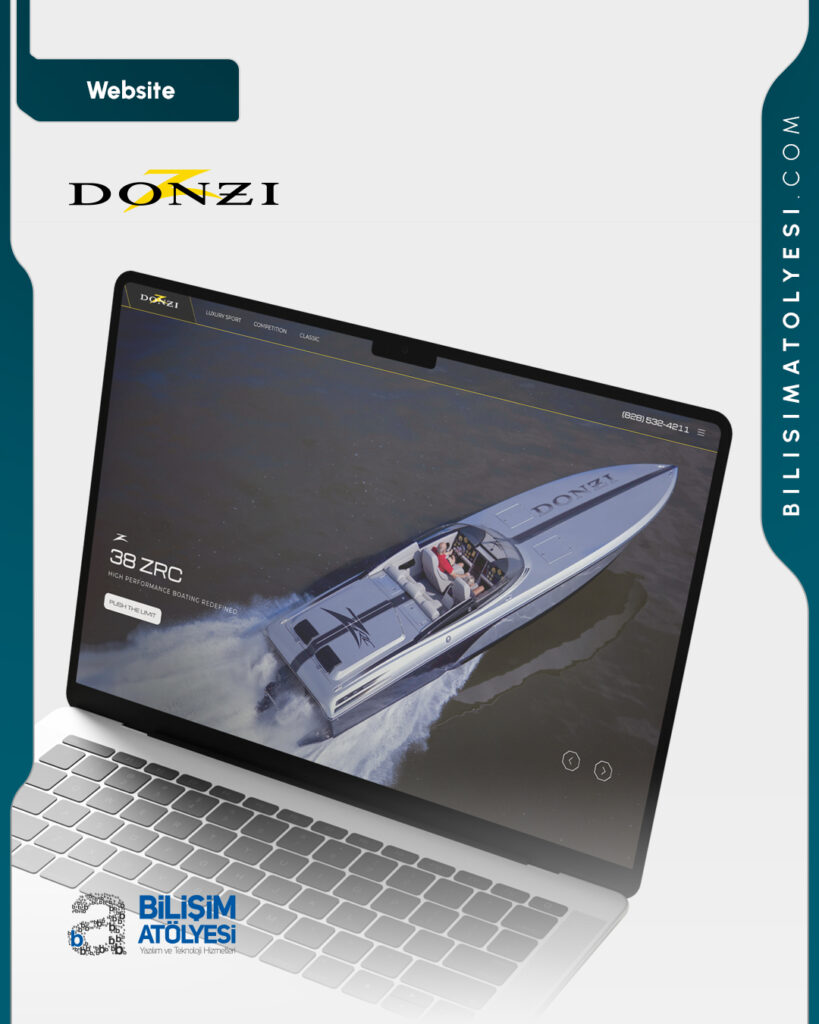
A customer chooses a boat model and equipment on a website, speaks to a sales representative and eventually takes delivery. Months later, the owner needs a manual or wants to request service. At each step, the business needs to recognise the same vessel and maintain the context of the same customer relationship.
This was the challenge behind our website, configurator, CRM and My Donzi owner portal work for Donzi Marine: keeping a preference recorded in one interface meaningful to the next team or user.
The first selection gives the first conversation context
The boat configurator records a model and its selected options. That configuration is associated with a lead in the CRM, while configurations are also maintained in a separate list. The region selected by the user is used to route the enquiry to the relevant sales representative.
The information reaching sales extends beyond contact details. The model being considered and the options explored become part of the conversation. Authorised sales representatives can also use the configurator to work through those preferences with a customer.
Creating a configuration does not, by itself, establish that someone is ready to buy. This is where the sales team’s work of understanding the requirement and assessing the enquiry begins.
Why separate a lead from an opportunity?
An interested person, a company account and a particular sales opportunity represent different information. Treating them as one record can make someone carrying out early research look indistinguishable from a customer in an active purchase discussion.
In the Donzi Marine CRM workflow, sales representatives assess incoming leads. A contact record can maintain the relationship; an opportunity is created when the discussion reaches the appropriate stage. Contacts can also be associated with company accounts where the relationship is a business one.
The opportunity holds stage history, notes, activities and attachments. A daily working view brings together tasks, calls, meetings and opportunities requiring attention. The software helps the team see the next action alongside the context of earlier conversations.
What does the configuration ID connect?
A model name alone cannot describe the boat a customer has selected. The same model may have different paint, upholstery and equipment choices. The particular configuration therefore needs its own reference.
In this project, the configuration ID connects those choices to subsequent records. When the sale is completed, the sold-boat record is associated with that configuration. Model, model year, boat number, Hull Identification Number (HIN) and owner details identify a particular vessel.
Keeping the product model, selected specification and physical vessel identity distinct but related also clarifies which information is needed after the sale.
My Donzi carries the information into ownership
The interface a sales team uses is different from the one an owner needs. My Donzi provides an owner-facing web experience for accessing the boat and its associated information.
- Boat details: general and technical specifications, paint and upholstery information and product serial numbers.
- Documents: relevant sales and ownership documents, warranty documents and model manuals.
- Service: creating a request and reviewing previous requests and their current status.
- Ownership links: access to the existing configuration, boutique products and privilege information.
Making the manuals assigned to a model available in the owner portal is a design choice intended to reduce the need to locate the same documents again across different teams. Vessel-specific information and shared model information meet in the same user experience.
A service request needs a record in the CRM
When an owner creates a service request in My Donzi, it is emailed to the relevant regional service manager and added to the CRM as a service record. The owner can review previous records and their current status in the portal.
The connection needs to preserve more than a message. It should identify the vessel, the associated customer and the stage of the request. This is why we considered the data needed after the sale alongside the records created before it.
Production and delivery continue the process design
The project’s process plan also considered the sales agreement, payment milestones, factory order form, production progress updates and delivery documents. The work defines which information needs to move to each stage after commercial approval.
The production and delivery section forms part of the project’s process design. Its software value lies in making the information needed between stages visible before subsequent development and integration work.
Keeping customer information connected at Donzi Marine
The configurator’s model and option data, the CRM’s customer and opportunity records and the portal’s boat and service interfaces serve different purposes. Connected through appropriate references, they support continuity in the customer relationship.
At Bilişim Atölyesi, we approached Donzi Marine’s web development, configurator, CRM workflows and owner portal through these connections. The technical value emerges when information created at one stage remains usable at the next.
Explore the scope of the Donzi Marine project. To connect customer acquisition, sales and after-sales processes for your own brand, contact our team.